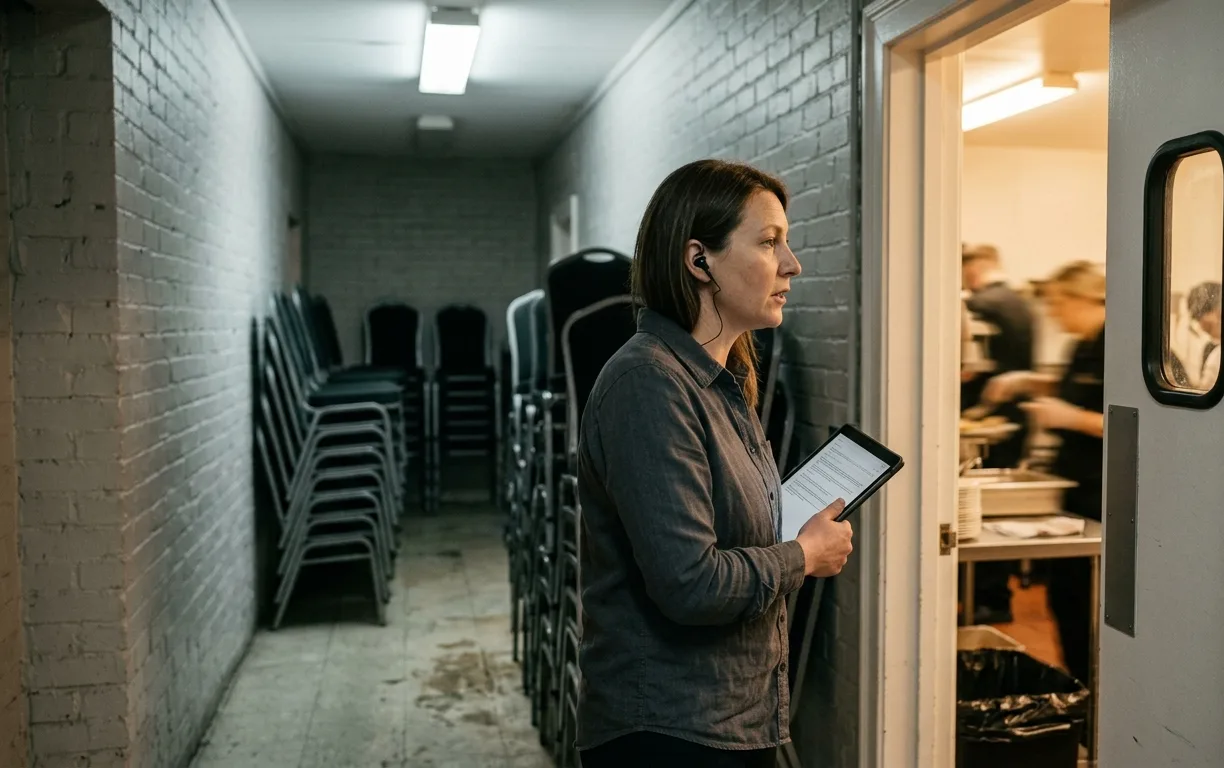
Guests think a wedding just happens. Flowers appear, dinner arrives on time, the couple glides from ceremony to first dance without a hitch. What they don't see is the person off to the side with an earpiece and a clipboard, making a few hundred small decisions so the day feels like it's running itself.
That person is the venue coordinator, and running a wedding day is a genuine operational skill. It's not decorating, and it's not attending the party. It's managing a one-time event with a dozen vendors who've never worked together, a schedule with no margin, and zero opportunity for a redo. If you're learning how to run a wedding day, or training someone to, here's what the job actually looks like once the guests arrive.
The mindset: you're running operations, not attending a wedding
The best coordinators share one trait. They stay one step ahead of the day instead of reacting to it. While guests are enjoying cocktail hour, the coordinator is already thinking about whether the reception room is reset, whether the caterer is plated, and whether the toasts are lined up. The job is quiet when it's going well, because good coordination is mostly invisible.
That mindset shift is the whole game. You're not there to enjoy the wedding. You're there so everyone else can.
Before the day even starts
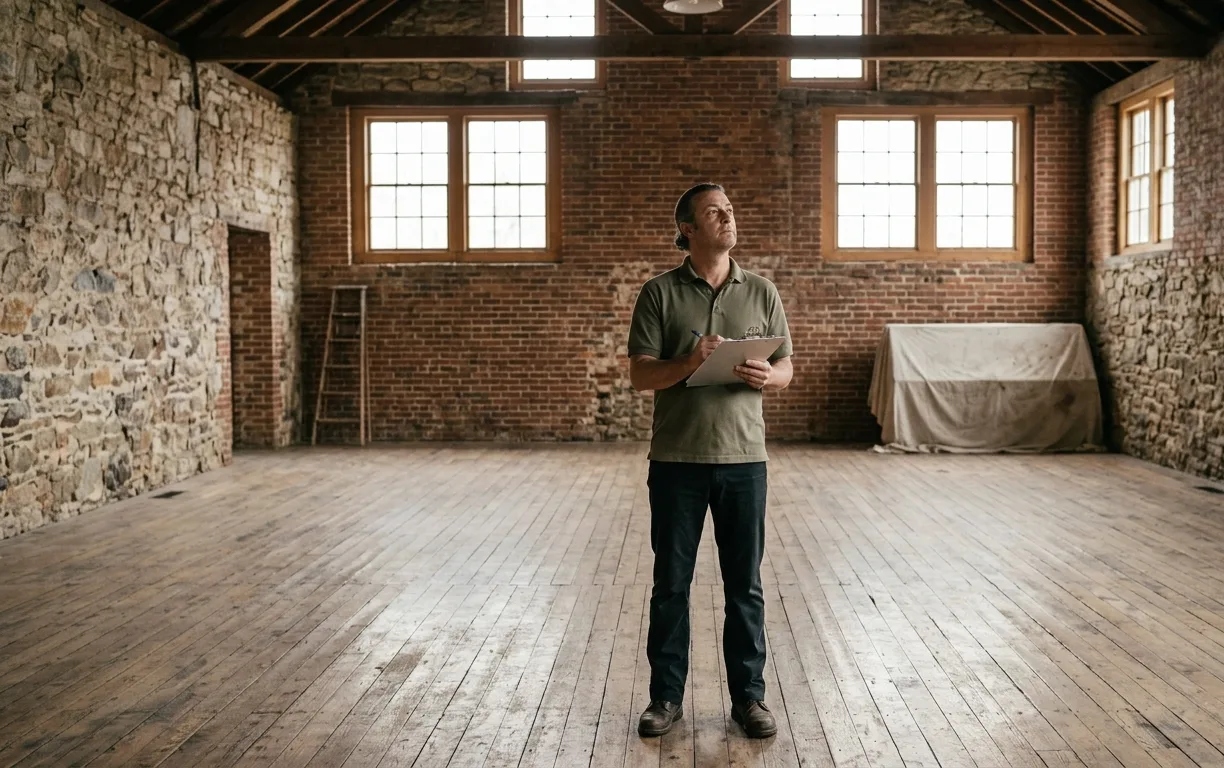
Most of what makes a wedding day smooth happens before it. In the days leading up, a coordinator locks the final timeline, confirms every vendor's arrival window and contact number, and does a walkthrough against the plan. They pressure-test the details couples forget: who's cueing the music, where the marriage license lives, what happens to the gifts at the end of the night.
They also plan for the day going sideways. What's the rain call, and by when does it have to be made? Who steps in if a vendor no-shows? A coordinator who's already decided these answers doesn't have to improvise them at 4 PM with a nervous couple watching.
Setup and load-in: managing the controlled chaos
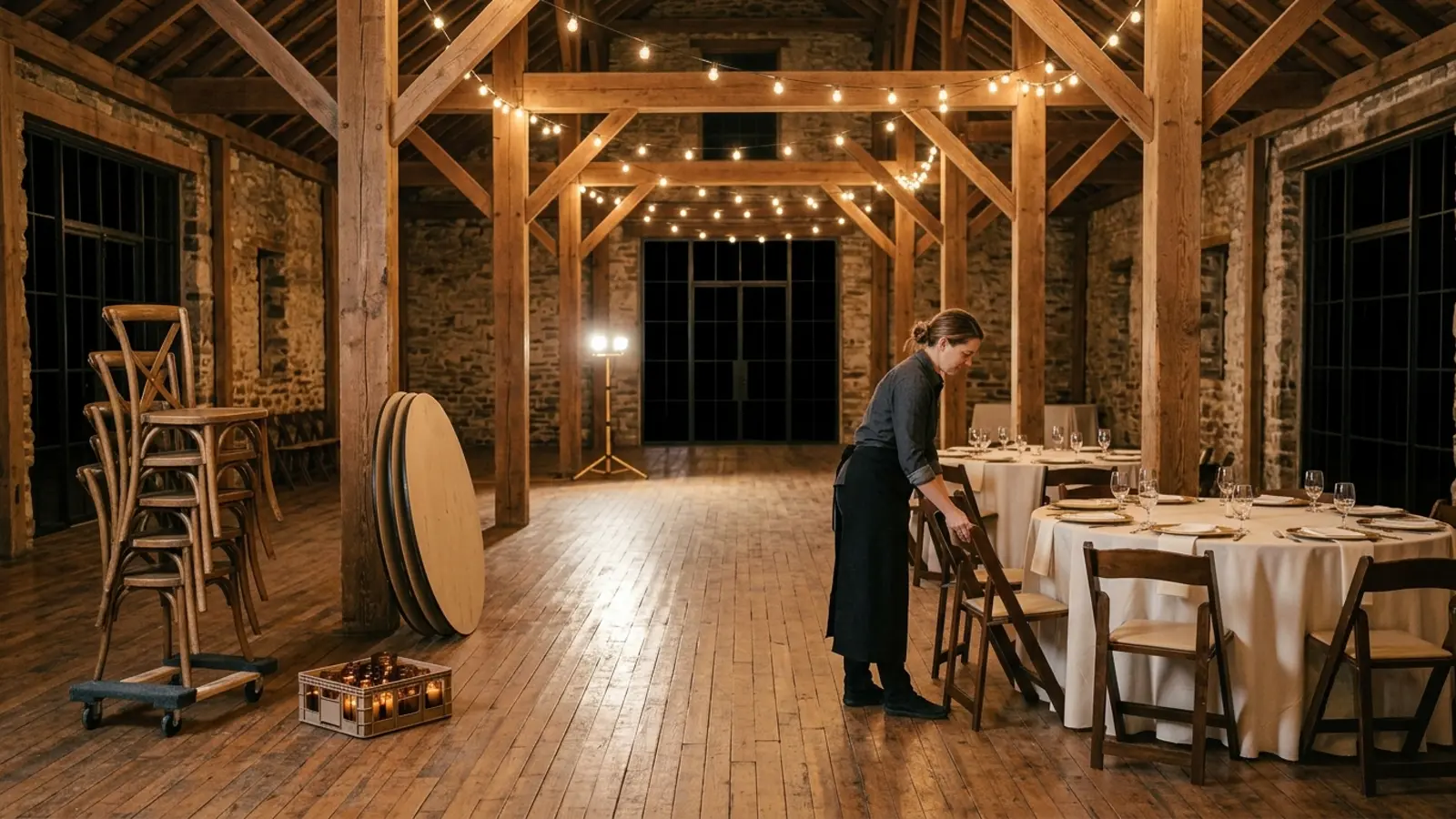
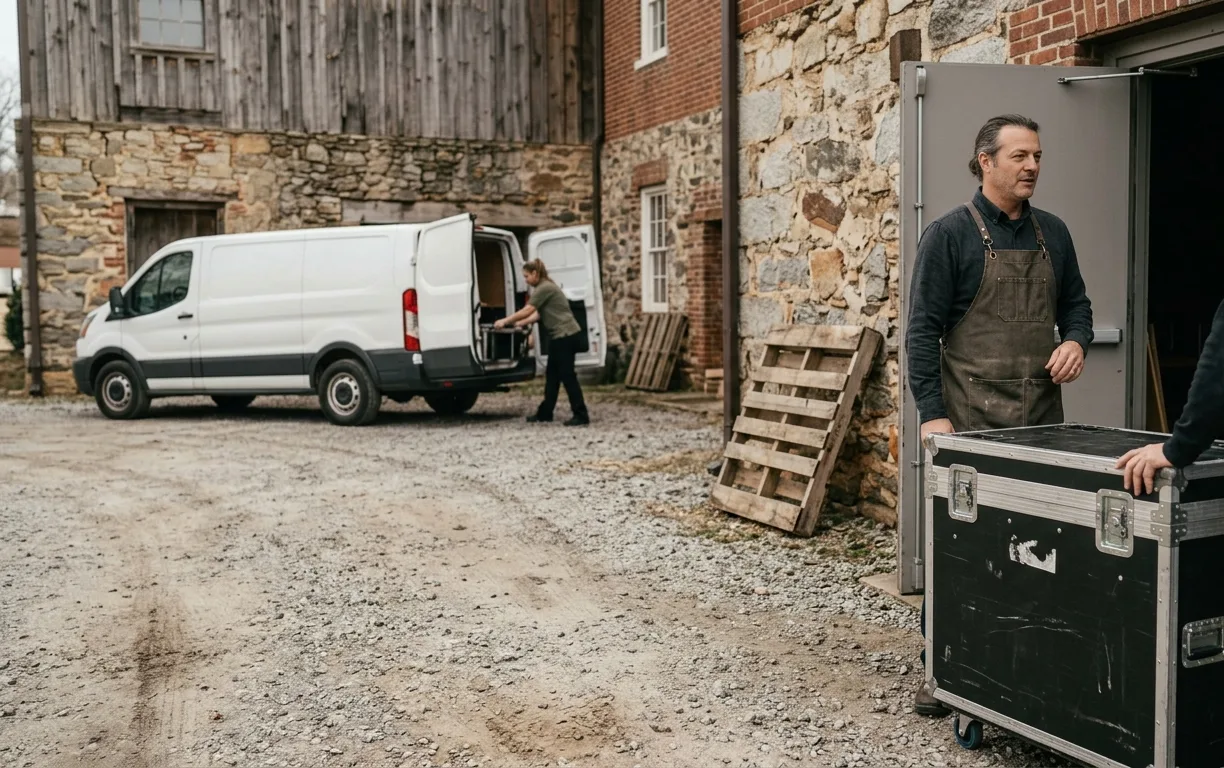
The morning is the loudest part of the day and the part guests never witness. Rentals arrive, florists install, the caterer takes over the kitchen, and the DJ runs a sound check, often all within the same couple of hours.
The coordinator's job here is traffic control. Vendors get staggered arrival windows so five trucks aren't fighting for one loading door. Each vendor is pointed to their space and their power and their timeline. And the coordinator walks the room against the plan, catching the missing chair or the wrong linen while there's still time to fix it, not after guests are seated.
The ceremony transition: the tightest choreography of the day
If there's a moment where coordination earns its keep, it's the switch from "guests arriving" to "ceremony starting." It's a narrow window with a lot packed into it: ushers in place, music cued, the wedding party staged, the officiant ready, phones reminded to go on silent. The coordinator is usually the invisible conductor here, giving the nod that starts the processional and keeping the whole thing to the minute.
Then, the instant the ceremony ends, attention flips to the next transition: moving guests to cocktail hour while the team resets the ceremony space or opens the reception room. Guests should never feel the seam.
Cocktails, dinner, and the program
Cocktail hour looks like downtime and isn't. It's when the coordinator confirms the reception room, lines up the grand entrance, checks that dinner is on schedule, and syncs with the DJ or band on the order of events.
Dinner and the program are a series of cues. The grand entrance, the first dance, the welcome toast, the meal service, the parent dances, the cake. Each one has to land in the right order and at the right time, and each one usually depends on a handoff between the coordinator, the catering captain, and whoever's running sound. When toasts run long or the kitchen falls behind, the coordinator quietly reshuffles the next twenty minutes so the guests never notice the adjustment.
The reception and the close
Once the dance floor opens, the coordinator's job shifts from cueing to watching. Is the bar keeping up? Is anyone over-served? Is the couple getting a moment to eat? Are the getaway car and the send-off ready? The evening winds down on a plan too: last call, final song, send-off, then the part guests are long gone for.
Breakdown is its own operation. Vendors load out, rentals get staged for pickup, gifts and personal items are accounted for, and the space gets reset and locked. A coordinator who's organized here protects the venue from the two things that go wrong after everyone leaves: lost property and damage nobody documented.
The skills underneath all of it
Strip away the phases and the job comes down to a handful of skills. Vendor coordination, because a wedding is really a dozen small businesses that have to move in sync. Guest communication, because someone has to answer "where do I go?" without breaking stride. Problem-solving under pressure, because something always drifts off script. And a steady presence, because the coordinator's calm sets the temperature for the whole room. A panicked coordinator makes a small problem feel like a crisis; a composed one makes a real crisis feel handled.
Where the right tools change the job
Most of this has traditionally run on paper timelines, text threads, and a coordinator's memory. That works right up until the day drifts, which every day does. The printed schedule says dinner at 6:30; it's 6:50 and the kitchen's behind, and now half the timeline is wrong and living only in one person's head.
This is the gap CeremonySync's Pulse Mode is built to close. It gives the whole team a live view of the wedding day (the timeline, vendor arrivals, and team assignments) in one place that updates in real time. When the ceremony starts late, everyone sees the shift, not just the coordinator holding the clipboard. When a vendor checks in, it's logged. The coordinator spends less energy being the single source of truth and more energy actually running the room, which is where their judgment is worth the most.
Frequently asked questions
What does a venue coordinator do on a wedding day? They run the operations of the day: finalizing and executing the timeline, managing vendor arrivals and setup, cueing the ceremony and reception, handling guest questions and problems as they arise, and overseeing breakdown and the venue reset. The goal is a day that feels effortless to everyone else.
What's the hardest part of running a wedding day? The transitions, especially the switch into the ceremony and the reset from ceremony to reception. They're tight windows with a lot happening at once, and they're where small delays earlier in the day tend to surface. Buffer time and a clear point person for each phase make them manageable.
How do coordinators keep a wedding day on schedule? With a detailed timeline, staggered vendor arrival windows, built-in buffers, and constant small adjustments. Increasingly they also use a live day-of tool so the whole team shares the same up-to-date schedule instead of relying on a printed timeline that goes stale the moment the day shifts.
The bottom line
Running a wedding day is a real craft. It's preparation, traffic control, choreography, and calm problem-solving, all aimed at making a complicated event feel simple. The coordinators who do it best prepare relentlessly, stay a step ahead, and lean on tools that keep the whole team on the same page when the day inevitably moves.
See how CeremonySync streamlines day-of coordination, and give your coordinators a live command center instead of a clipboard that's out of date by dinner.