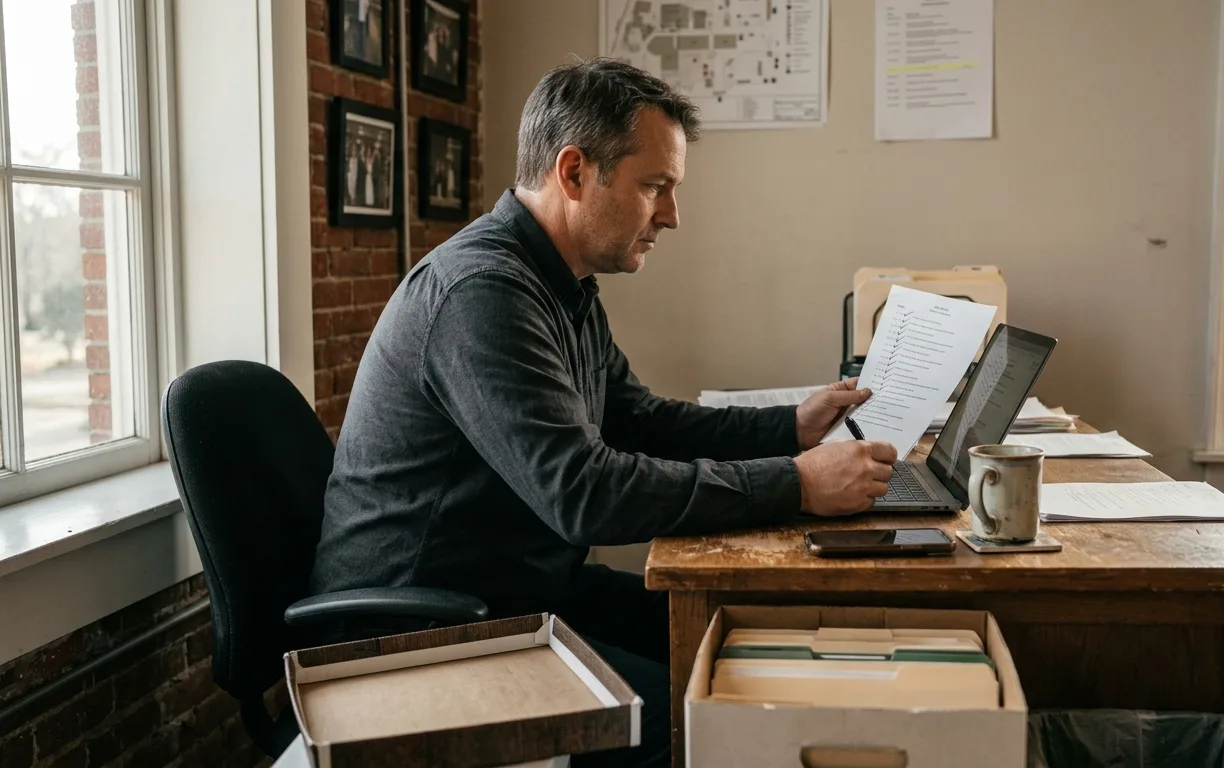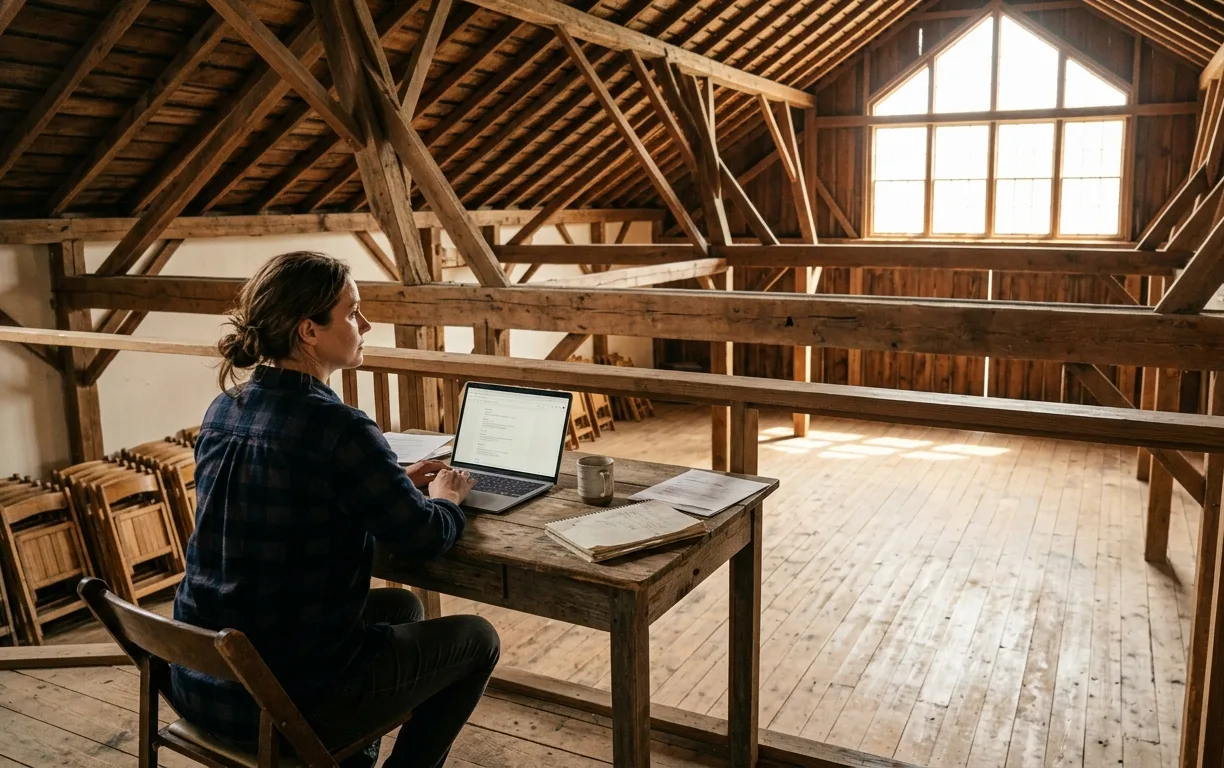
Run a barn or rustic venue for a season and you learn something quickly: the software wasn't built for you. Most event tools imagine a tidy ballroom with a fixed layout, in-house everything, and four walls that keep the weather out. A barn is a different world. It's flexible, exposed, and often a blank canvas that a couple and a small army of vendors transform for a single day.
Summer and fall are when that gap gets expensive, because those are your busiest months and the moments a generic tool leaves you scrambling. If you're evaluating barn wedding venue management software, the real question isn't which tool has the most features. It's which one understands how a rustic venue actually operates.
Why barn and rustic venues are different
A ballroom sells a finished room. A barn sells possibility, and possibility comes with logistics.
Barn venues live with the weather in a way indoor venues don't. Every outdoor ceremony needs a rain plan, and the call has to be made on a timeline. They're often blank spaces, which means far more setup and breakdown, more rentals, and longer load-in windows than a venue that comes furnished. The same field might host the ceremony, cocktails, and the reception, so a single space flexes into three across one day. And they carry infrastructure a hotel takes for granted: lighting for an open barn at night, climate control or the lack of it, power for a field, restrooms, parking on grass.
None of that is a downside. It's the charm, and it's the reason couples choose you. But it's a lot to coordinate, and it's exactly what generic software pretends doesn't exist.
Where generic tools fall short
They assume the weather is someone else's problem. Standard event software has no concept of a rain plan. For a barn venue, the indoor-or-outdoor decision, the backup layout, and the tent contingency are core operations, not edge cases. A tool that can't hold a contingency plan leaves it living in your head.
They underestimate setup and breakdown. A furnished ballroom needs a couple of hours of prep. A barn transforms from empty to wedding and back again, with more vendors, more rentals, and more that can go wrong in the load-in. Software built for a fixed room doesn't give that the space it needs.
They can't handle flexible spaces. When your ceremony lawn becomes your reception space after a flip, you need a calendar and a plan that understand one area serving multiple purposes. Rigid, room-based tools don't model this well, and that's where scheduling gets messy.
They ignore your infrastructure. Lighting, power, climate, restrooms, parking. The practical details that make an outdoor wedding work are invisible to software that assumes a building handles all of it.
They underweight vendor coordination. Because barns are often "bring everything" venues, you're orchestrating more outside vendors than a full-service hotel. Weak vendor tools hurt a barn venue more than most.
What barn venues actually need from software
Match the venue to the tool and the requirements get clear.
You need a flexible calendar that handles multiple spaces and multi-use areas, with holds and conflict detection, so one field serving three purposes doesn't create a scheduling knot. You need strong vendor management, because you're coordinating more of them: performance tracking, compliance and insurance alerts, clear arrival windows. You need day-of tools that account for contingencies, so the rain plan and the backup layout are part of the operation, not a note on a whiteboard. And if you own your tables, chairs, and decor inventory, you need a way to track it, since a blank-canvas venue often is the rental company.
How the right platform adapts to a rustic venue
CeremonySync is built to flex around how a venue actually works, which is what a barn needs. The multi-space calendar handles flexible, multi-use areas with holds and conflict detection, so your ceremony lawn and reception field coexist cleanly on one schedule. Vendor management gives you the performance scoring and insurance tracking that matter more when you're coordinating a full slate of outside vendors. And Pulse Mode runs the wedding day live, with the timeline, vendor arrivals, and team all in one view, so when the forecast turns and you make the rain call, the whole team moves together instead of guessing.
For venues that own their inventory, the AssetSync module tracks tables, chairs, and equipment, which is exactly the kind of operational reality a generic tool never anticipated. The point isn't a longer feature list. It's software that bends to a rustic venue instead of forcing you into a ballroom's assumptions.
Frequently asked questions
What should barn venues look for in management software? A flexible multi-space calendar that handles multi-use areas, strong vendor management (since barns coordinate more outside vendors), day-of tools that account for weather and backup plans, and inventory tracking if you own your rentals. The tool should model how a rustic, blank-canvas venue actually operates, not just a fixed indoor room.
Why doesn't generic event software work for barn venues? Most event tools assume a furnished indoor space with in-house services and no weather exposure. Barn venues run on the opposite: outdoor logistics, heavy setup and breakdown, flexible spaces that serve multiple purposes, and a lot of vendor coordination. Those realities are core operations for a barn and blind spots for generic software.
Can one platform handle both indoor and outdoor spaces? Yes, if its calendar and day-of tools are genuinely flexible. A platform that supports multi-space, multi-use scheduling with holds and conflict detection, plus contingency-aware day-of coordination, can run an indoor barn, an outdoor lawn, and the flip between them on a single system.
The bottom line
Barn and rustic venues aren't harder to run than ballrooms; they're differently run. Weather, setup, flexible spaces, and infrastructure are the job, not the exception, and software that ignores them turns your busiest, most beautiful season into a scramble. Choose a platform that bends to how your venue actually works.
See how CeremonySync adapts to your venue style, whether that's a barn, a lawn, or something entirely your own.